Integrative Dermatology
Your skin is not a separate system.
Acne, eczema, and rosacea often trace back to your gut, your hormones, and inflammation. When we treat the root cause, your skin finally has a chance to calm down.
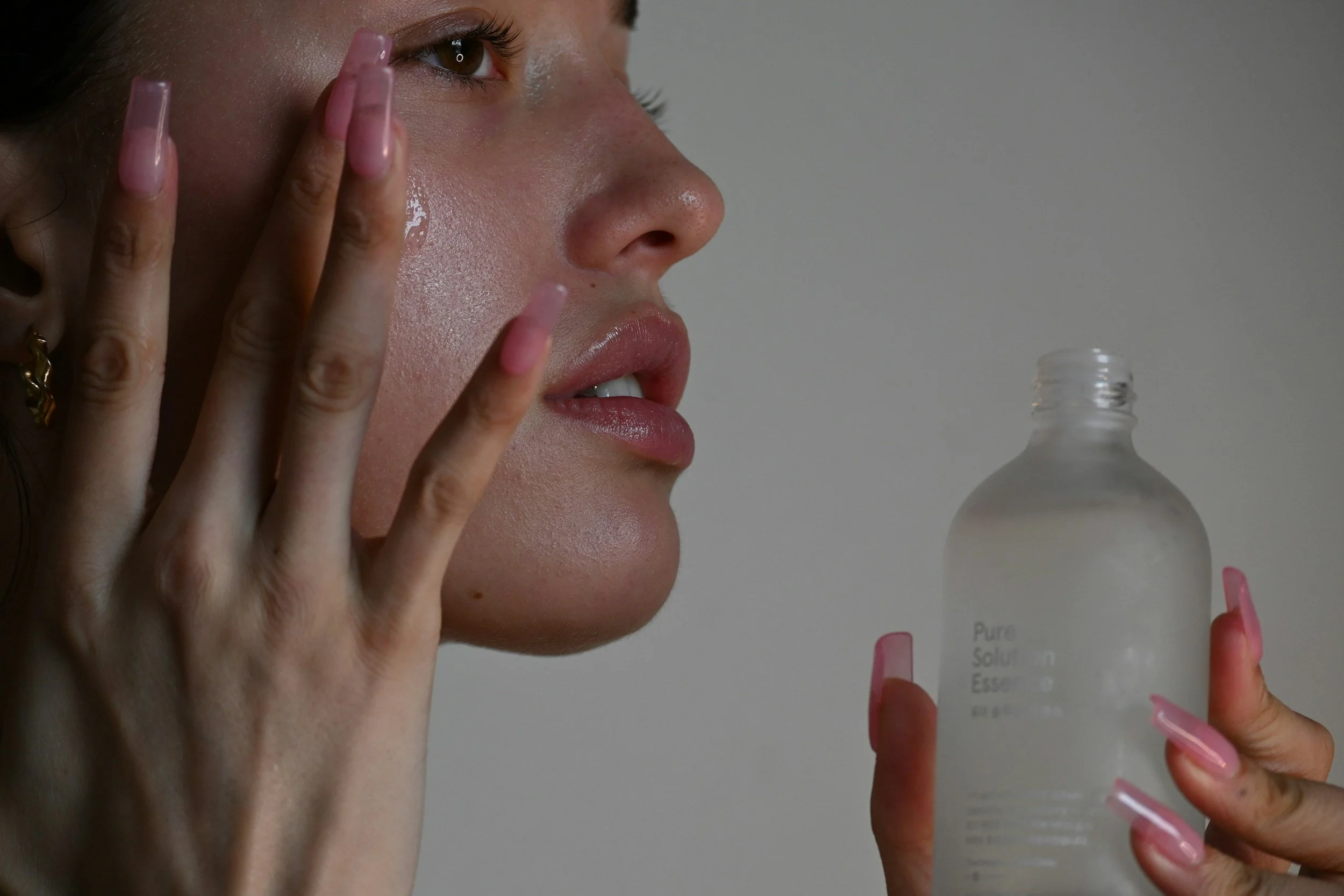
Skin Health
Your skin is not a separate system from the rest of your body. Acne, eczema, and rosacea are frequently downstream of what's happening in your gut, your hormones, and your inflammation levels, which is why treating the skin alone so often falls short.
Acne
Adult acne, especially the kind that shows up along the jawline and chin, is usually hormonal, gut-related, or both. Topicals can manage the surface, but they don't address why your skin is producing excess oil and inflammation in the first place. I go deeper in my guide to managing acne naturally.
Eczema
Eczema is fundamentally an immune and inflammatory condition, and your gut plays a major role in regulating both. Food sensitivities, gut permeability, and microbiome imbalance are common, underexplored contributors to flares. I explain the root causes of eczema in more detail.
Psoriasis
Psoriasis is an autoimmune condition with a strong gut and inflammation component. While it requires long-term, individualized management, addressing gut health and systemic inflammation can meaningfully reduce flare frequency and severity alongside your dermatology care.
Rosacea
Rosacea is frequently linked to SIBO and gut dysbiosis; several studies have found a significantly higher rate of SIBO in rosacea patients compared to the general population. Treating the gut is often the missing piece for people who've tried everything topical.
The Gut-Skin Axis
Your gut and skin communicate constantly through your immune system and inflammatory pathways. This is why patients with chronic skin issues so often also have gut symptoms, even when they never made the connection themselves. It is also part of our female longevity approach, since skin is one of the first places hormone and gut shifts show up.
Nutrition and Skin
What you eat directly affects inflammation, blood sugar, and hormone production, all of which show up on your skin. Nutrition isn't a cure-all, but it's a lever most skin protocols never touch. The same is true for your hair, which I cover in women's hair loss and hair health, and if you are comparing topicals, here are the skincare ingredients worth knowing about.
If you've tried the creams, the routines, and the dermatologist visits and your skin still isn't behaving, let's look underneath it.
Skin Health Frequently Asked Questions
-
Yes, this is well established and is often called the gut-skin axis. Gut inflammation, dysbiosis, and increased intestinal permeability can all trigger or worsen acne, eczema, and rosacea.
-
If your acne is driven by hormones or gut inflammation, topical skincare can only manage the surface. Lasting improvement usually requires addressing what's driving the inflammation and oil production internally.
-
Depending on your history, I may recommend comprehensive stool testing, a food sensitivity or allergy test, or a hormone panel (like a DUTCH test) to identify what's actually driving your skin symptoms.
-
Research has found a notably higher rate of SIBO among people with rosacea compared to those without it, and treating SIBO has been shown to improve rosacea symptoms in some studies. For eczema, there often is a gut microbiome imbalance and candida trigger that tend to affect individuals.
-
We go through your entire medical history around your skin, from childhood up until now. Your health is evaluated from everything you’re eating, to your gut health, hormones, and everything you’re applying topically on your skin. We spend an hour together while most dermatologists barely spend minutes.